

Is Your Child Struggling to See Far Objects? It Could Be Myopia
Does your child sit too close to the TV, squint to see the board at school, or complain about blurry distance vision?
If yes, they may be developing myopia — a common vision condition where distant objects appear blurry. Also known as nearsightedness in kids, this issue is rising rapidly, especially in urban areas with increased screen time and less outdoor activity.
But the good news? With early detection and advanced myopia control treatments, your child’s vision can be managed — and even protected from worsening.
Welcome to the trusted care of Dr. Ankit Shah, a leading pediatric eye specialist in Ahmedabad, who brings expertise, technology, and compassionate care to every child he sees.
What is Myopia in Children?
Myopia in children occurs when the eyeball is too long or the cornea is too curved. As a result, light entering the eye focuses in front of the retina, making distant objects look blurry.
While glasses can help correct vision, high myopia can increase the risk of serious eye diseases later in life — like retinal detachment, glaucoma, or macular degeneration.
That’s why myopia control isn’t just about giving glasses — it’s about slowing down its progression.
Why Early Myopia Control is Important
Many parents assume that giving glasses is enough. But if your child’s power keeps increasing every few months, it’s a red flag.
Why should you act early?
- Myopia often progresses quickly between ages 6 to 17
- Higher power increases long-term risks for eye diseases
- Early intervention can slow down or stop the progression
- It improves your child’s academic and social development
With modern methods available today, myopia in children can be managed — and that’s where Dr. Ankit Shah comes in.
Meet Dr. Ankit Shah – Ahmedabad’s Expert in Myopia Control
Dr. Ankit Shah is a renowned pediatric ophthalmologist in Ahmedabad with a special focus on myopia control and high myopia treatment. He combines the latest global advancements with child-friendly care, ensuring that each child gets personalized treatment.
Parents across Gujarat trust him for his:
- Extensive experience in managing nearsightedness in kids
- Child-first approach with detailed consultation and follow-ups
- Use of proven techniques like atropine drops, orthokeratology, and special myopia control lenses
- Complete support for selecting the right glasses for children
Myopia Control Treatment Options at Dr. Shah’s Clinic
Here are the advanced options used to manage and control myopia in kids:
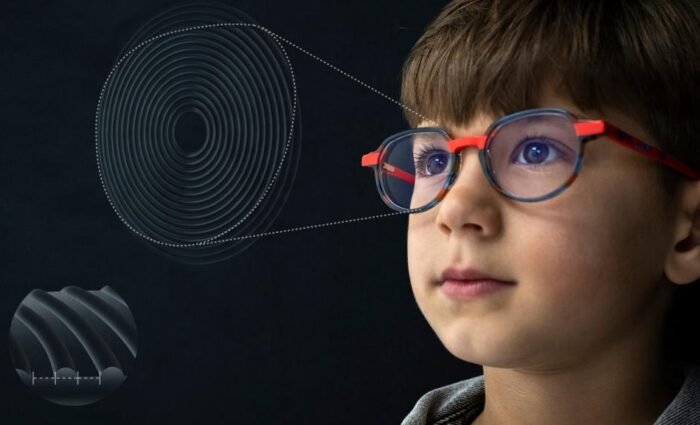
👓 1. Myopia Control Glasses
These are specially designed lenses that reduce eye strain and help slow down myopia progression. They’re a step ahead of regular prescription glasses.
💧 2. Atropine Eye Drops
Low-dose atropine drops (0.01% to 0.05%) are clinically proven to slow down myopia in children without affecting daily activities.
🌙 3. Orthokeratology (Ortho-K)
These are custom-fit night lenses that reshape the cornea while the child sleeps. The result? Clear vision during the day — without glasses or contacts — and reduced myopia progression.
👁️ 4. Lifestyle & Visual Hygiene Counseling
Dr. Shah educates both children and parents on reducing screen time, increasing outdoor activities, and practicing better reading habits to support treatment success.
How to Know if Your Child Has Myopia
Here are some signs that your child might have myopia:
- Difficulty seeing the whiteboard or distant signs
- Holding books or tablets very close to the eyes
- Frequent squinting or blinking
- Complaints of headaches or eye strain
- Poor performance in school due to unclear vision
If you notice any of these, schedule a check-up with a pediatric eye expert as soon as possible.
What Happens During a Myopia Checkup?
When you visit Dr. Ankit Shah for a myopia evaluation, here’s what you can expect:
- Detailed Vision Assessment – Including near and distance vision tests
- Cycloplegic Refraction – A more accurate way to measure the true power of your child’s eyes
- Axial Length Measurement – To assess how rapidly the eye is growing
- Customized Treatment Plan – Based on your child’s age, eye power, and risk factors
Tips to Manage Myopia at Home
You can support your child’s vision health with these simple practices:
- Encourage at least 90 minutes of outdoor play daily
- Follow the 20-20-20 rule – Every 20 minutes, look at something 20 feet away for 20 seconds
- Limit screen time, especially on phones and tablets
- Ensure proper lighting while reading or studying
- Regularly follow up with your child’s eye specialist
FAQs About Myopia Control
Q: Can myopia be cured completely?
A: Myopia cannot be reversed, but its progression can be slowed or stabilized with early and consistent treatment.
Q: Are atropine drops safe for long-term use?
A: Yes, low-dose atropine is considered safe and is widely used worldwide under medical supervision.
Q: Will my child always need glasses?
A: Possibly, but treatments like Ortho-K and myopia control lenses may reduce the need or delay progression.
Final Words: Don’t Wait for the Power to Increase
Remember, myopia in children is more than just a number on a prescription. It’s about protecting your child’s long-term vision and quality of life.
At Dr. Ankit Shah’s clinic in Ahmedabad, your child gets the right diagnosis, expert treatment, and ongoing support — all in a child-friendly environment.